From the Dufferin to today
The history
1927
Training begins on the Dufferin
Cadet training for the Indian merchant navy starts on the training ship Dufferin, moored in Bombay. It is the start of formal officer training for Indian ships.123
Sources differ on the date and the size of the first batch. DG Shipping gives November 1927 and 50 cadets. The IMU annual report gives 5 December 1927 and 26 cadets.
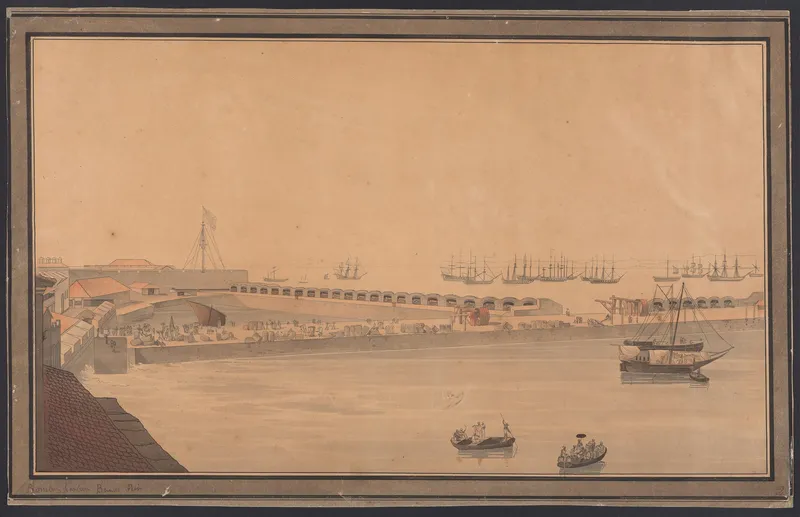
Bombay harbour and the Bunder pier, 1792 1935
Marine engineering joins the ship

Chadburn engine-room telegraph 1949
DMET moves engineering training ashore
The Government of India sets up the Directorate of Marine Engineering Training (DMET), with its head office in Calcutta and a branch in Bombay. Cadets combine academics with hands-on work in marine workshops.1345
Sources differ on the first intake. One gives 50 cadets across both cities. The IMU campus histories give 60 cadets at each campus.
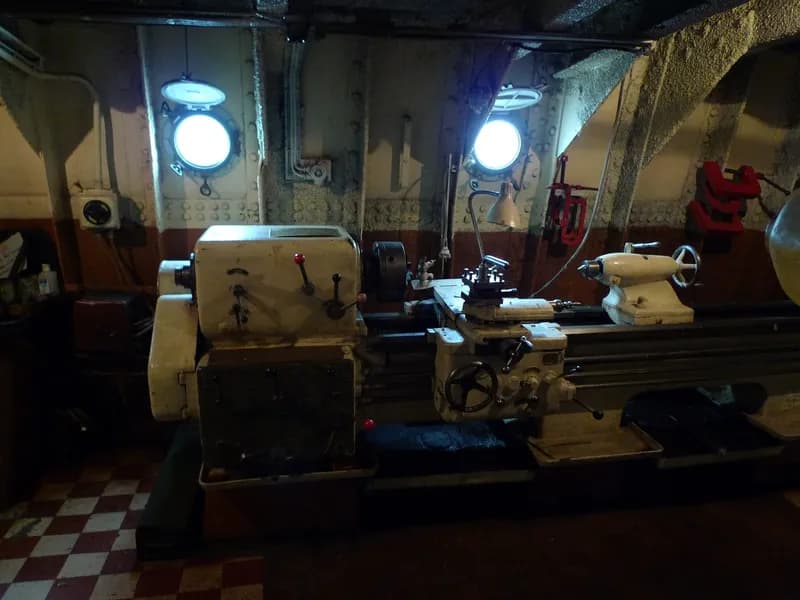
Machine shop on the icebreaker Suur Tõll 1953
Taratala Road, Calcutta
The Calcutta campus moves to Taratala Road. On 14 December 1953 Prime Minister Jawaharlal Nehru opens the new building as the Marine Engineering College.5
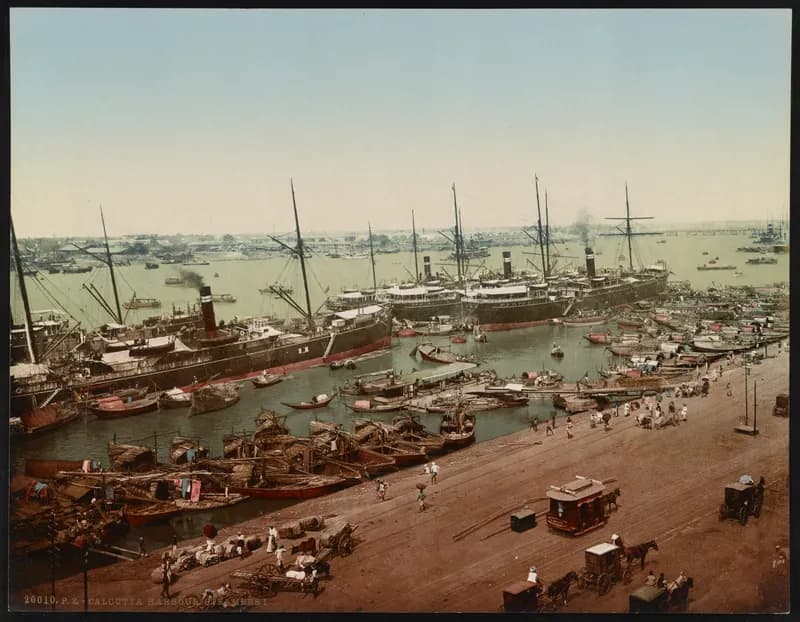
Calcutta harbour with steamers, about 1890 1966
Lower Parel, Bombay
The Bombay campus moves to Lower Parel.5
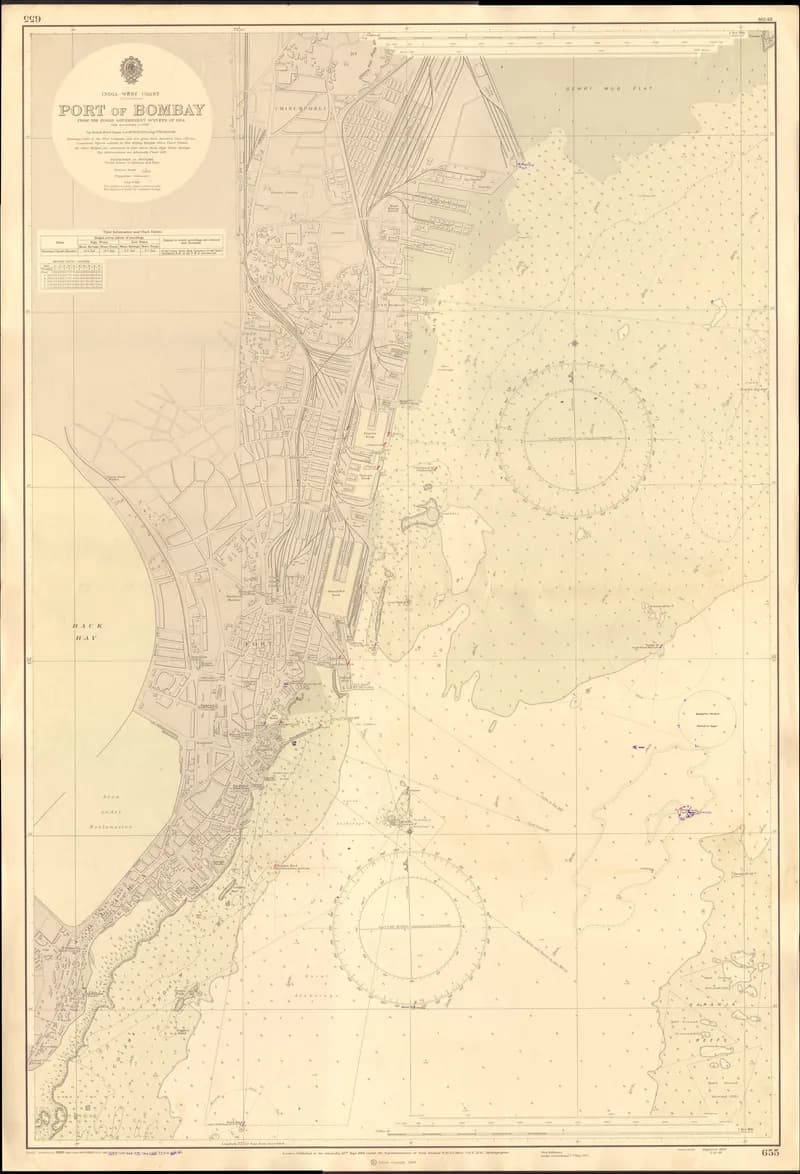
Admiralty Chart 655: Port of Bombay, 1958 1972
The Dufferin is decommissioned
1975
A course for graduate engineers
The Bombay campus starts a one-year course that trains graduate mechanical engineers and naval architects to become marine engineers.4
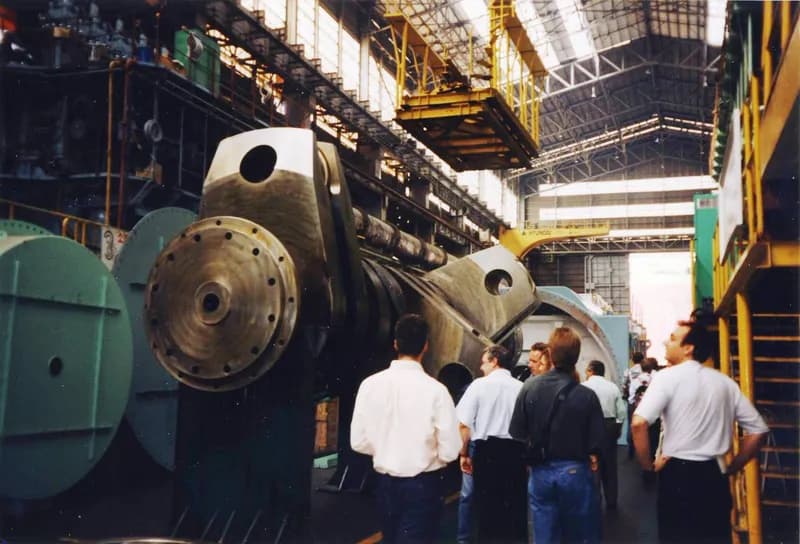
Marine engine crankshaft at an engine works 1995
DMET becomes MERI
DMET is renamed the Marine Engineering and Research Institute (MERI), in Kolkata and in Mumbai. Both campuses keep their residential, workshop-based training.1345
Sources differ on the year for Mumbai. The IMU annual report says 1994. The IMU legacy page and the Mumbai campus brief say 1995. All sources give 1995 for Kolkata.
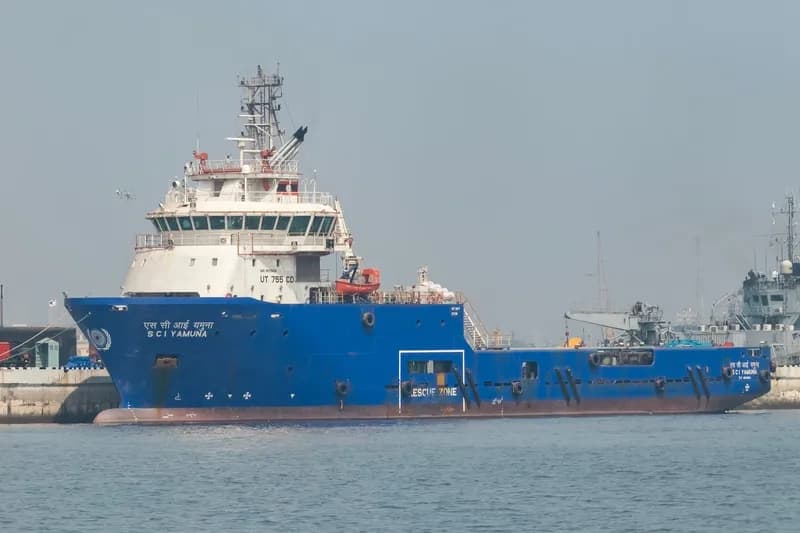
SCI Yamuna in Indira Dock, Mumbai 2008
MERI joins the Indian Maritime University
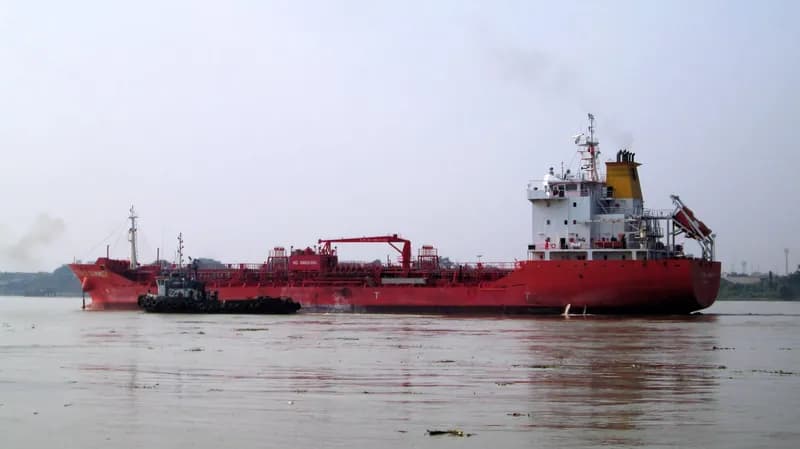
A tanker on the Hooghly, Port of Kolkata 2013
The alumni scholarship begins
The crest of the institute and the words DMET · MERI Alumni on an indigo card Today
13 named grants
Batches, families and alumni fund each grant. The Trust holds the money and pays the awards.₹84.3 lakh in the corpus. 94 cadets supported.
The Trust and the scholarship
Alumni volunteers run the scholarship. This site is theirs. It is not a website of the university.
In 2013 alumni of DMET and MERI, with the first push from the batch of 1990–94, announced a scholarship for third- and fourth-year cadets. They did it under the name “22Knots”.7 Gifts for the first grant had started before 2013.8
The MERI Alumni Trust holds the money of the grants and runs the yearly cycle. The DMECA works with the Trust on some grants.7 Since 2013 batches, families and individual alumni have added named grants. See the grants.
How the work is shared
- Coordinators run each cycle: the dates, the rules, the eligibility checks and the results.
- A panel of alumni scores the applications, without the cadets’ names.
- The treasurer keeps the ledger of each grant and sends a receipt for every gift.
- Editors keep the site, the grants and the stories up to date.
Each volunteer can see only what their role needs, and the admin logs every change.
Notes and sources
Compiled on 30 September 2026 from public sources. We use only facts that a source states clearly. Photos of the old campuses and the training ships will follow when the Trust has the right to use them.
Where the sources differ
- 1927Sources differ on the date and the size of the first batch. DG Shipping gives November 1927 and 50 cadets. The IMU annual report gives 5 December 1927 and 26 cadets.
- 1949Sources differ on the first intake. One gives 50 cadets across both cities. The IMU campus histories give 60 cadets at each campus.
- 1995Sources differ on the year for Mumbai. The IMU annual report says 1994. The IMU legacy page and the Mumbai campus brief say 1995. All sources give 1995 for Kolkata.
Sources
- 1.Annual Report 2017–18 (opens in a new tab), Indian Maritime University
- 2.Maritime training heritage (opens in a new tab), Directorate General of Shipping
- 3.Legacy (opens in a new tab), Indian Maritime University
- 4.Brief introduction to the Mumbai Port Campus (opens in a new tab), Indian Maritime University
- 5.Indian Maritime University Kolkata (opens in a new tab), Wikipedia
- 6.Indian Maritime University (opens in a new tab), Wikipedia
- 7.Overview (the old alumni scholarship site) (opens in a new tab), dmetalumni.com
- 8.MAT Grant (the old alumni scholarship site) (opens in a new tab), dmetalumni.com
Something wrong or missing?
If you have a record or a photo that corrects this page, write to the Trust.
Write to the Trust